
My Work
My publications over the years are listed here. If you need a copy of any of these publications, please contact me.
Fluid load support and contact mechanics of hemiarthroplasty in the natural hip joint
- In most of the nine activities of daily living studied, the peak contact stresses and peak fluid pressures were in the superior dome or lateral roof of the acetabulum.
- Total fluid load support was very high (∼90%) in most of the activities which would shield the solid phase from being subjected to very high contact stresses.
- This was dependent not only on the load magnitude but also the direction and hence on the location of the contact area with respect to the cartilage coverage.
- Lower fluid load support was found when the contact area was nearer the edges where the fluid drained easily.
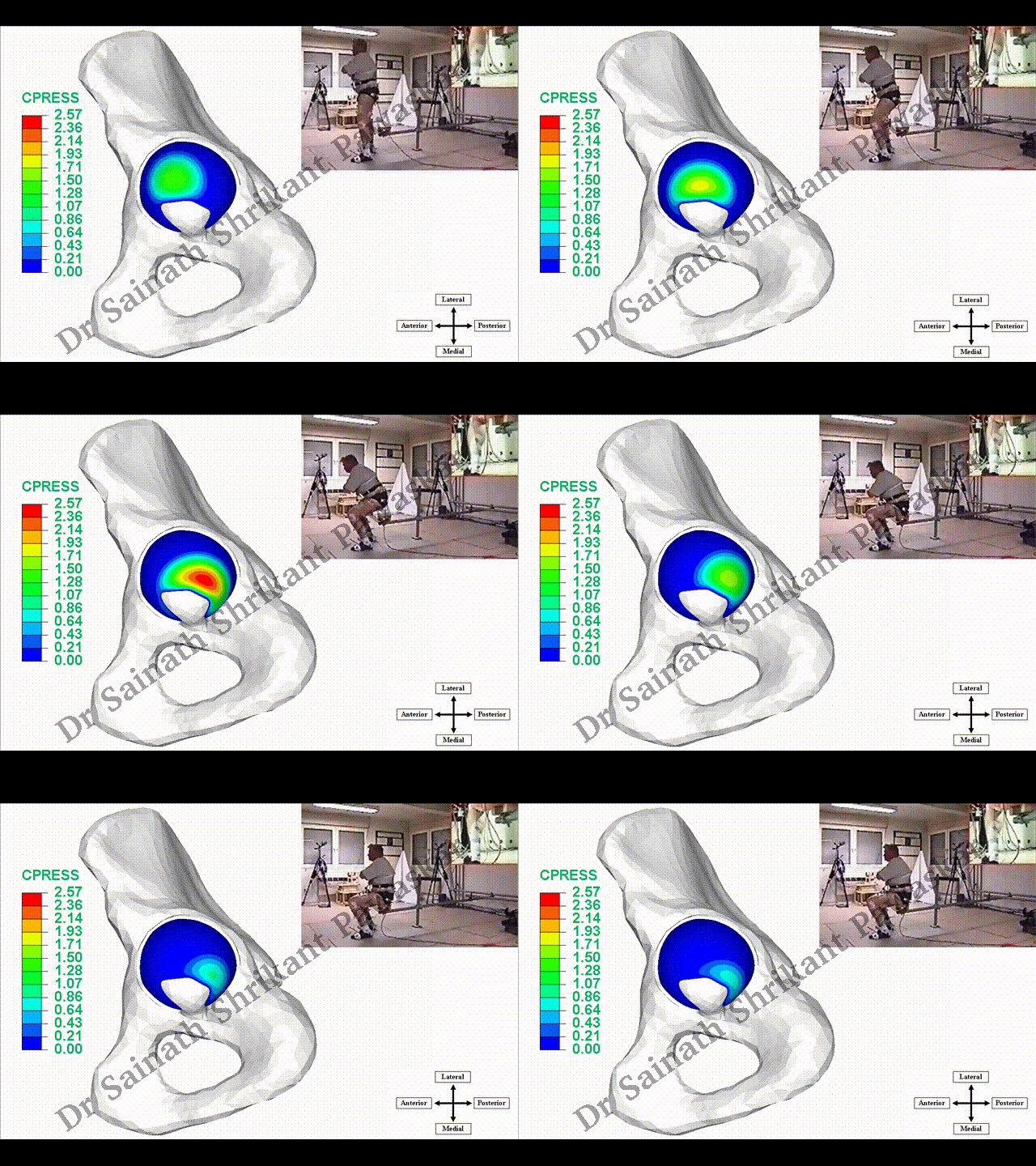
Gait Video – Bergmann, G. (2001). Hip98. Free University, Berlin, Germany
FE model – Pawaskar, S.S. et al. (2011). Univeristy of Leeds, Leeds, UK
Deep Learning in today’s parlance
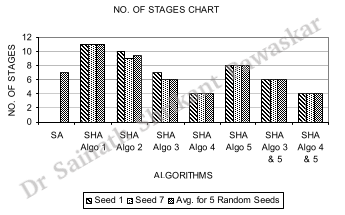
A Simple Hierarchical Approximation RBF Neural Network
- Investigates a simple algorithm with a view to eliminating the need for the other types of hidden neurons and linear programming.
- Investigates the performance of the Simple Hierarchical Approximation algorithm (SHA) on the Mackey-Glass time series problem.
- SHA achieves comparable results in terms of accuracy without the added complexity introduced by the other types of hidden neurons.
- Demonstrates that a hierarchical collection of RBF neurons can rival the performance of a more complex net; and also compares favorably with more traditional ‘flat’ RBF nets on this problem.
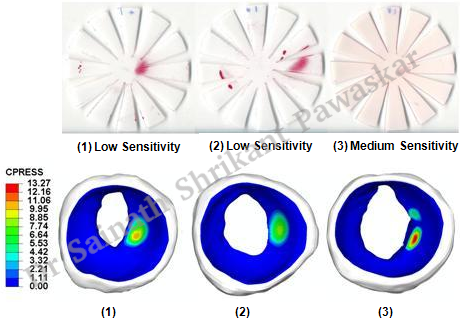
Hemiarthroplasty of hip joint: An experimental validation using porcine acetabulum
- FE modelling of hemiarthroplasty.
- Very high peak contact stresses (maximum experimental: 14.09 MPa).
- Maximum difference of 12.42% in peak contact stresses.
- Corresponding error for contact area was 20.69%.
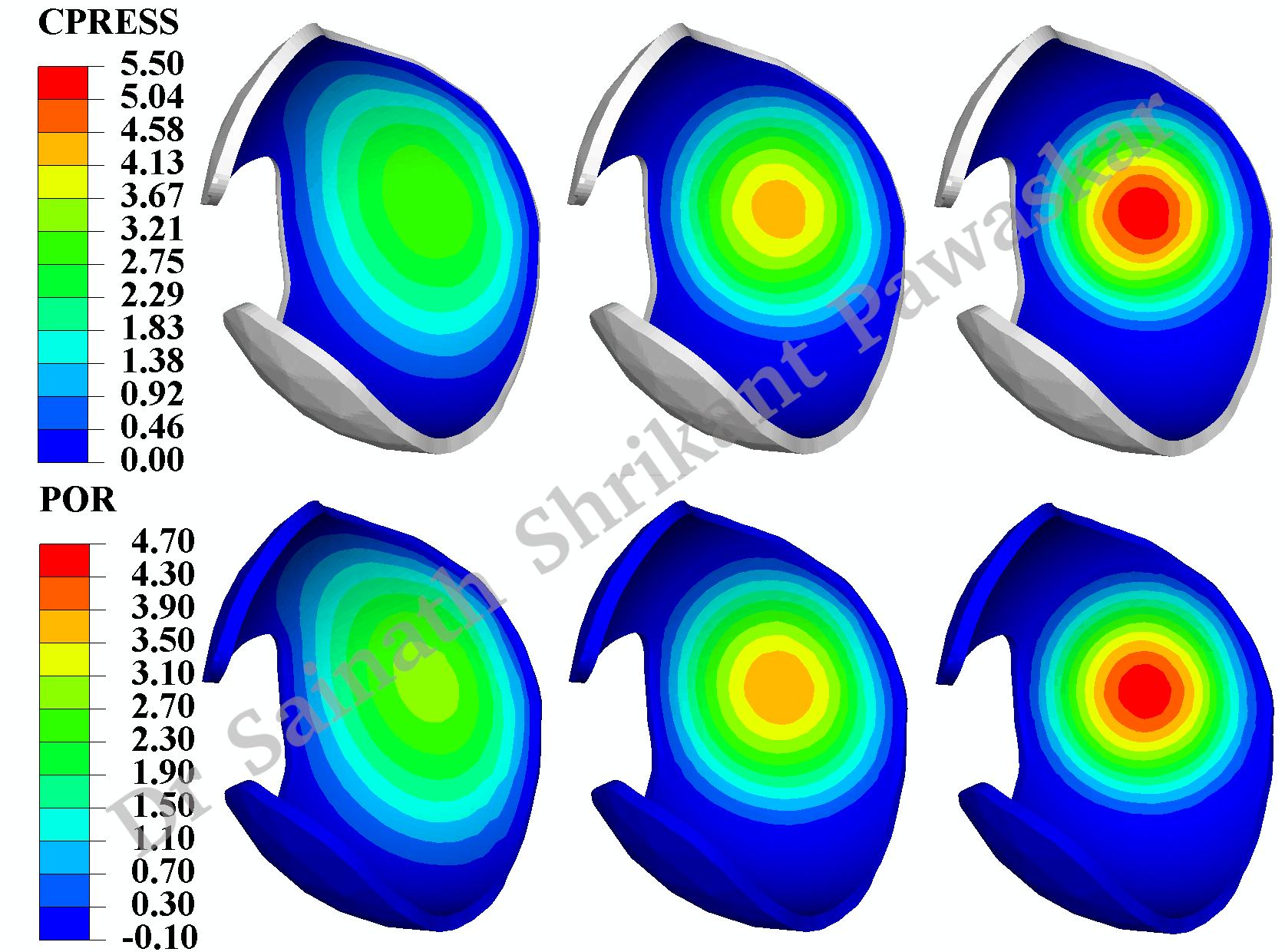
Importance of Clearance on Contact Mechanics of Hemiarthroplasty in Hip Joints
- Radial Clearance – 0.0mm, 0.5mm and 1.0mm.
- Contact stresses and fluid pressure were located in the superior dome of the acetabulum with antero-posterior distribution.
- Maximum contact stresses – 3.19 MPa, 4.41 MPa and 5.40 MPa.
- Maximum fluid pressure – 2.95 MPa, 3.94 MPa and 4.67 MPa.
- Total fluid load support soon after load application – 91.27%, 90.05% and 88.49%.